
The allure of chance
The excitement of chance is one of the most compelling aspects of casino games. Every player is drawn by the prospect of winning big, and this allure often overshadows the underlying realities of probability. Many enthusiasts also explore online betting australia to enhance their gaming experience, as the thrill that comes with spinning a slot machine or rolling dice at a craps table can be intoxicating. This emotional high generated by unpredictability can lead players to return for more, often against their better judgment, as they chase the fantasy of a life-changing win.
Moreover, this psychological phenomenon is rooted in the concept of variable reinforcement. Unlike fixed rewards, which can become monotonous, variable rewards keep players engaged and eager for the next big win. For instance, the occasional jackpot creates a spike in excitement that players chase, even if the odds are stacked against them. This sense of unpredictability ensures that players remain captivated, often losing track of time and money invested in their gaming sessions.
Additionally, the ambiance of a casino plays a significant role in enhancing this allure. The flashing lights, energetic sounds, and vibrant atmosphere evoke a sense of excitement, almost mimicking a celebratory event. This environment amplifies feelings of anticipation and thrill, further enticing players to indulge their desires for fortune and success. The immersive experience can overshadow rational thinking, leading individuals to make impulsive decisions that may not align with their financial goals.
The role of cognitive biases
Cognitive biases are inherent thinking patterns that can significantly influence the decisions made by casino players. One of the most prevalent biases is the illusion of control, where players believe they have some level of influence over random outcomes. This belief is particularly common in games like blackjack or poker, where skill and strategy seem to intertwine with luck. Players may convince themselves that their expertise can sway the odds in their favor, leading them to gamble more than they originally intended, often overlooking the role of chance.
Another bias is the gambler’s fallacy, which is the misconception that past events can influence future outcomes in games of chance. For instance, a player who notices that red has come up several times in a row on a roulette wheel may believe black is more likely to come up next. This fallacy can lead to irrational betting patterns and increased financial losses, as the player continues to wager more based on incorrect assumptions about probability. Such biases can create a false sense of security, making it challenging for individuals to recognize the inherent risks of gambling.

The framing effect also plays a significant role in how players perceive their chances and make decisions. How options are presented can dramatically alter players’ choices, whether they feel they are gaining or losing money. For instance, a player may be more inclined to take risks when they perceive their losses as “just money gone” rather than viewing them through the lens of their total bankroll. Understanding these cognitive biases can help players make more informed decisions and potentially reduce their gambling-induced emotional distress, leading to a healthier gaming experience.
The impact of social dynamics
Casino games are fundamentally social activities that can amplify their psychological effects. The presence of other players and the overall environment create a shared experience that can heighten emotions. When players win, they often celebrate together, enhancing the feeling of camaraderie and support. Conversely, witnessing others win can spur feelings of envy or competition, often prompting individuals to take greater risks in hopes of achieving similar success. This social aspect can create a pressure cooker environment where the thrill of gambling is intensified.
Moreover, social dynamics can lead to a phenomenon known as “groupthink,” where individuals conform to the collective behavior of those around them. In a casino, this can mean players may escalate their betting amounts or engage in riskier games simply because everyone else is doing so. This pressure to conform can lead individuals to gamble beyond their limits, as they prioritize the thrill of social interaction over their personal financial assessments. The desire to fit in can cloud judgment, leading to poor decision-making.
Additionally, online casinos have transformed social interactions in gambling. Virtual chats and shared experiences can create a sense of community, which can enhance the psychological thrill of participation. However, this transition to the digital realm also means players may feel more detached from their losses. The physical presence of a casino is replaced by a screen, potentially leading to poorer financial decisions without the same emotional feedback encountered in brick-and-mortar establishments. The lack of accountability can foster riskier behaviors, further complicating the social dynamics of gambling.
The psychology of addiction
The nature of casino games can lead to addictive behaviors for many individuals. The rush of winning and the disappointment of losing can create a rollercoaster of emotions that some players find difficult to manage. This emotional fluctuation can trigger compulsive gambling in those predisposed to addiction. The brain’s reward centers respond powerfully to the dopamine release associated with wins, encouraging players to seek that high repeatedly, often leading to harmful patterns of behavior. Understanding this cycle is crucial for both players and their loved ones.
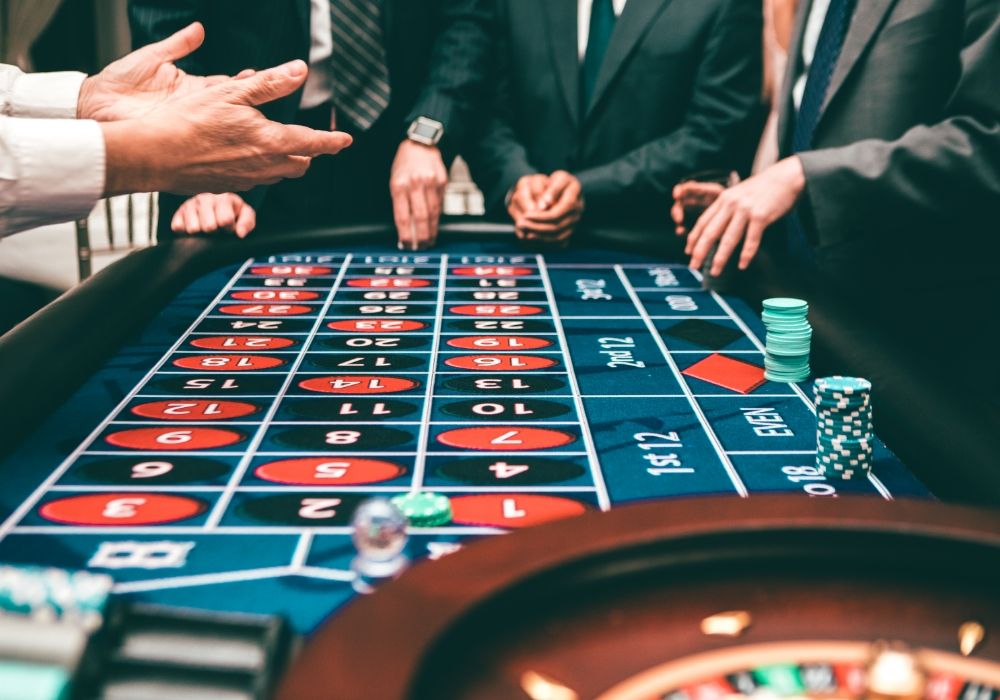
Understanding the psychology behind gambling addiction is crucial for prevention and treatment. Many individuals may not recognize the signs of problematic gambling until it’s too late. Factors such as stress, emotional distress, and social environments can all exacerbate addictive tendencies. Identifying these triggers is essential for individuals to seek help and develop coping strategies to manage their gambling habits effectively. By fostering awareness, individuals can take proactive steps towards healthier gambling practices.
Moreover, recovery from gambling addiction requires a comprehensive understanding of its psychological roots. Support groups often emphasize the need for individuals to confront their behaviors and recognize the influence of their psychological state on their gambling activities. Tools such as cognitive-behavioral therapy focus on changing the thought patterns that lead to harmful gambling behaviors, providing individuals with the strategies to regain control over their lives. This approach emphasizes the importance of mental wellness in the journey towards responsible gaming.
Exploring resources for responsible gaming
For those who wish to engage in casino games while being mindful of their behaviors, numerous resources are available to promote responsible gaming. Many casinos, both physical and online, provide information on setting limits for spending and time, helping players avoid overindulgence. These measures can encourage a healthier approach to gambling, allowing individuals to enjoy the experience without compromising their financial wellbeing. Such initiatives demonstrate a commitment to player safety and responsible practices.
Educational programs and workshops dedicated to responsible gaming are also prevalent, providing insights into the psychological aspects of gambling. These programs aim to equip players with the knowledge and tools needed to recognize problematic behaviors early on. By fostering a greater understanding of the psychological mechanisms at play, individuals can make informed decisions and enjoy gaming as a form of entertainment rather than a source of stress or financial strain. The more educated players are, the better equipped they are to navigate the complexities of gambling.
Finally, seeking professional help can be an invaluable step for individuals grappling with gambling-related issues. Therapists and counselors often specialize in gambling addiction, offering tailored approaches to help individuals understand their habits and develop healthier coping strategies. Education, community support, and professional guidance can create a more sustainable relationship with casino games. By prioritizing mental health and responsible gambling, players can maintain a healthy balance between enjoyment and risk.