
The Allure of British Horse Racing: What Happens When the Races Are Not On
British horse racing is one of the oldest and most celebrated sports in the United Kingdom, attracting millions of fans from diverse backgrounds. Beyond just the thrill of the races, this activity intertwines with culture, betting, and social interaction. However, there are times when the races are not on, and it’s essential to understand the implications of those moments. For those still seeking opportunities to engage with the equestrian sport, options such as British horse racing not on GamStop horse betting not on GamStop have emerged, allowing enthusiasts to continue their passion even when the racetracks are quiet.
The History of Horse Racing in Britain
Horse racing in Britain dates back centuries, with evidence of such events occurring as early as the Roman times. However, it wasn’t until the 12th century that racing became formalized with the establishment of King Henry II’s laws regarding horse racing. The first official racecourse was created in Newmarket, which remains a central hub for the sport today.
Through the years, British horse racing has evolved significantly. The establishment of the Jockey Club in the 18th century marked a huge turning point, as it standardized rules and regulations for racing. This development paved the way for the sport to grow and formalize, leading to the creation of flat racing, jump racing, and harness racing, which are still popular forms today.
The Culture Surrounding Horse Racing
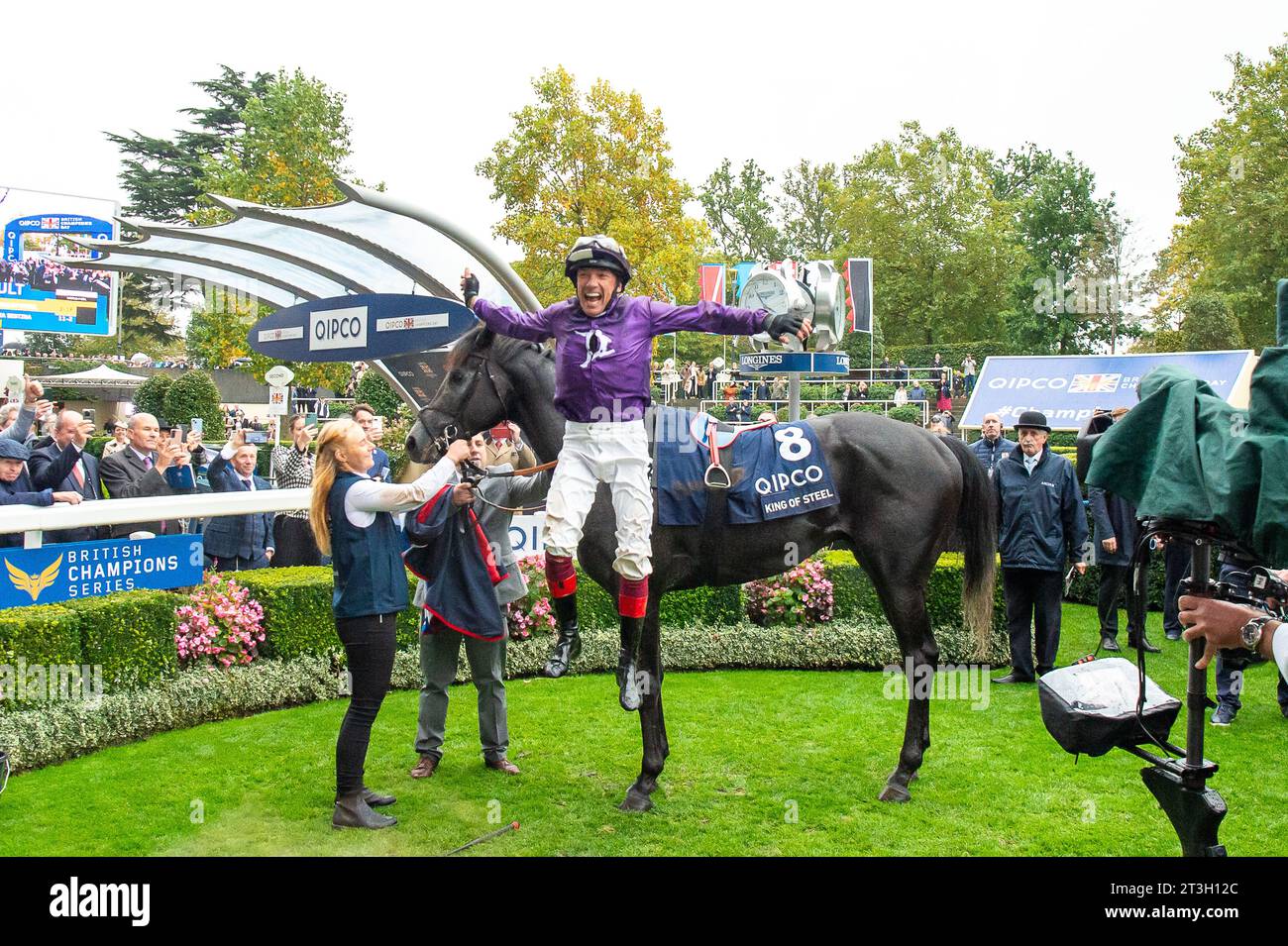
Horse racing has transitioned from a royal sport to a universally appreciated spectacle, characterized by glitz, glamour, and the thrill of competition. Events like the Grand National, Royal Ascot, and Epsom Derby attract not only avid racing fans but also celebrities and influencers, making them pivotal cultural events. Attendees often sport extravagant hats and dresses, emphasizing the fashion aspect that has become synonymous with these races.
Beyond the social interactions and festivities, horse racing has deep-rooted connections to British traditions. The sport has evolved into community gatherings, where families and friends come together to support their favorite horses and jockeys, share bets, and enjoy the camaraderie that comes with the occasion.
Betting: The Lifeblood of Horse Racing
Betting has long been an integral part of horse racing, providing an additional thrill for spectators. Whether placing bets at the track or engaging with online platforms, bettors often analyze the horses, jockeys, and track conditions to make informed decisions. The excitement of potentially winning can greatly enhance the overall race experience.
However, it’s crucial to recognize that betting is not always self-regulated. Some bettors might find themselves facing challenges regarding responsible gambling. This situation has given rise to various gambling exclusion schemes, such as GamStop, which aims to help individuals manage their betting habits. In scenarios where the races are not available, alternative betting avenues can be explored, such as options for horse betting not on GamStop, allowing individuals to engage responsibly without relying on traditional platforms.
What Happens When the Races Are Not On?
When the races are not on, many fans of horse racing may initially feel a sense of loss. For some, it represents an opportunity to pause and reflect on the excitement and culture surrounding the sport. Others might seek alternative ways to remain connected to their love for horses and racing.
Online communities and forums dedicated to horse racing provide a space where enthusiasts can discuss previous races, share betting tips, and engage in hypothetical matchups. This element of community allows fans to continue their passion, even when they cannot attend physical events.
Yet, there is also the challenge of maintaining one’s betting interests during the downtime. While traditional races may not be occurring, the rise of virtual racing has provided fans with an innovative solution. Virtual horse racing allows bettors to engage with computerized simulations of horses racing on tracks. This technologically advanced platform replicates the excitement of real races and enables fans to place bets and potentially win, even in the absence of live events.
The Future of British Horse Racing
As British horse racing continues to adapt and evolve in the face of modern challenges, the relationship between racing, technology, and betting will inevitably deepen. The sport’s cultural significance remains unwavering, and as new generations of fans join in, they will likely reshape the landscape of horse racing.

With the emergence of online platforms and alternative betting solutions, including options that don’t operate under restrictive measures like GamStop, the industry may open its doors to a broader au
dience. This marks an opportunity for both traditional and modern approaches to coexist, ensuring the legacy of British horse racing remains vibrant for years to come.
Conclusion
British horse racing is a sport steeped in history and tradition, offering a unique blend of excitement, culture, and community. Although there may be times when races are not on, opportunities to connect with the sport remain plentiful through various online channels, forums, and virtual racing. From fashion to betting, the influence of horse racing permeates various aspects of British society, and the future looks promising as technology continues to innovate the experience.